Welcome and Mabuhay

If you love Marinduque and want to contribute articles to this site, please do so. My contact information is in my profile. The above photo was taken from the balcony of The Chateau Du Mer Beach House, Boac, Marindque, Philippines. I love sunsets. How about you? Some of the photos and videos on this site, I do not own. However, I have no intention on infringing your copyrights. Thank you and Cheers!

Tres Reyes Island view of the Marinduque Mainland

Wednesday, November 6, 2019

My Involvement with the United States Pharmacopeia (USP)


Press Release, Philippine News, August, 1995


My involvement with the United States Pharmacopeia(USP)started in 1995 and ended in 2005. In 1995, I was first elected to USP Council of Experts, Standards Division in the Antibiotics and Natural Products Committees. My first term of 5 years ended in 2000, but I was reelected to another five years term in 2000 ending in 2005. As an elected member of the Council of Experts, I was responsible for establishing standards of identity, safety, quality, purity of drug substances and drug products as well as in-vitro and diagnostic products, dietary supplements and related articles used in health care. Just in case you have not heard of USP...

The United States Pharmacopeia (USP) is the official pharmacopeia of the United States, published dually with the National Formulary as the USP-NF. The United States Pharmacopeial Convention (usually also called the USP) is the nonprofit organization that owns the trademark and copyright to the USP-NF and publishes it every year. Prescription and over–the–counter medicines and other health care products sold in the United States are required to follow the standards in the USP-NF. USP also sets standards for food ingredients and dietary supplements.
My complimentary and autographed copy of USP 24-NF 19

My election to the USP Council of Experts was a very selected process. In 1995, there were more than 700 scientist nation-wide from academia, government and private industry who volunteered to serve. USP selection committee narrowed it down to 256 final nominees. Of the 256 final nominees, only 128 were elected.


Election to the Council of Experts ( formerly known as the Committee of Revision) confirms that the person elected is both the national and international expert in the field of election. My field is in Antibiotics and natural products( botanical drugs).

As far as I know I was the first Filipino-American elected to USP since its inception in 1820. Approved drugs and new drugs to be marketed in US must comply with the USP requirements with regards to identity, safety, quality and purity. The USP/NF is used by pharmacists, chemists, physicians, nurses and other health care professionals as well as consumers. I am very proud of my ten years of involvement with USP during my active working years as an Analytical Chemist for four private companies and as a Chemistry Team Leader in FDA for 12 years.

Lastly, the University of the Philippines Chemistry Alumni Newsletter congratulated me on my election to the USP/CE with this note. " We join with your colleagues and your family in congratulating you for this singular honor, which bring prestige to the Philippines as well."

Meanwhile, enjoy the following songs-some of my favorites:

https://youtu.be/zuyb7zhcxIg

Monday, November 4, 2019

None Herbal Remedies for Arthritis


I have arthritis on the knee and I am taking turmeric capsules. I found it effective. I found the following article helpful and love sharing it with you.

Arthritis symptoms can keep you from going about your everyday activities. The pain and inflammation may still persist despite medical intervention. To get relief, more and more people with arthritis are seeking a natural approach by using herbal remedies.

Certain herbs may have anti-inflammatory properties that can help with rheumatoid arthritis (RA) by reducing pain in all forms of the disease. Still, there is a lack of scientific evidence supporting such claims. Before you treat arthritis the “natural” way, make sure you talk to a doctor first to avoid life-threatening side effects.

Aloe vera is one of the most commonly used herbs in alternative medicine. Known for its healing properties, it’s popular for treating small skin abrasions. You may already have a bottle of aloe vera gel in the medicine cabinet from a past sunburn. This same type of product may be applied topically to soothe aching joints. Aloe vera is also available in whole form from the leaves of the plant. The National Center for Complementary and Integrative Health (NCCIH)Trusted Source says that oral aloe vera can cause decreased blood sugar and gastrointestinal side effects, such as diarrhea. Topical aloe vera, on the other hand, does not cause any side effects and should be safe to try for arthritis.

2. Boswellia

Boswellia, also called frankincense, is praised by alternative medicine practitioners for its anti-inflammatory capabilities. It’s derived from the gum of boswellia trees indigenous to India. This herb is thought to work by blocking substances (leukotrienes) that attack healthy joints in autoimmune diseases such as RA. The NCCIHTrusted Source acknowledges promising evidence of boswellia in animal studies. But it notes a lack of human trials. Boswellia is available in tablet form and topical creams.
Cat’s claw is another anti-inflammatory herb that may reduce swelling in arthritis. This herb is from a tropical vine, and its usage dates back to Incan civilizations. Traditionally, cat’s claw is used to boost the immune system.
In recent years, the immunity powers of the herb have been tried in arthritis. The downside is that cat’s claw may overstimulate the immune system and make arthritis pain worse. According to the Arthritis Foundation, a study showed cat’s claw can help with RA swelling. But there’s no proof that this herb can prevent further joint damage.
Like aloe vera, eucalyptus is widely available in Western markets. It’s used in oral medications, and topical oil extracts are used for a variety of conditions. Topical forms of eucalyptus leaves are used to treat arthritis pain.
The plant leaves contain tannins, which may be helpful in reducing swelling and the pain arthritis causes. Some users follow up with heat pads to maximize the effects of eucalyptus on swollen joints. Be sure to test yourself for allergies before using topical eucalyptus. Put a small amount of the product on your forearm. If there is no reaction in 24 to 48 hours, it should be safe to use.
You may have ginger in your spice cabinet for cooking, but this herb is also a staple in many alternative medicine cabinets. The same compounds that give ginger its strong flavor also have anti-inflammatory properties.
The NCCIH says that early studies in reducing joint swelling with ginger in RA are promising. But more human trials are needed to better understand its action. In folk medicine and Chinese medicine ginger is used to increase blood circulation, which brings heat and healing properties to the affected area. Research shows promise for the use of ginger in all types of arthritis.
Green tea is one of the most popular beverages in the world, and has been used to reduce inflammation in the body. It’s possible that green tea can be used to treat arthritis inflammation in the form of beverages, tablets, or tinctures.
In a 2010 study, the NCCIH found that green tea might help people with osteoarthritis (OA) and RA. But many more studies are still needed to prove the potential benefits of green tea.
Thunder god vine is one of the oldest herbs used in Chinese medicine. Extracts from skinned roots are known for suppressing an overactive immune system. This makes thunder god vine a possible alternative treatment for autoimmune diseases such as RA. It’s best to apply directly to the skin in a topical form. Thunder god vine may work best along with conventional RA medications.
Use extreme caution with this herb, as it can be poisonous if extracts are derived from other areas of the vine.
Turmeric is a yellow powder made from the related flowering plant. It’s used in cooking to make curry. It also has anti-inflammatory properties. Lab studies on rats have also found this herb may slow the progression of RA. Curcumin, the active ingredient in turmeric, has been used in folk medicine for years. Unlike other types of herbs, the NCCIH found turmeric may work best in fighting joint pain when taken orally. There still needs to be more studies done on the safety of turmeric, but its use is promising.
Using willow bark is one of the oldest treatments for inflammation. In fact, people during Hippocrates’ time (fifth century B.C.) chewed on willow bark to help treat inflammatory conditions. One study reported that the herb shows promise in relieving OA-related joint pain, particularly in the knees, back, hips, and neck. This treatment is taken orally, either by tea or tablet. Getting the right dose is crucial. An overdose can cause rashes and other forms of inflammation. Do not use willow bark if you take blood thinners or are allergic to aspirin.

Source: https://www.healthline.com/health/osteoarthritis/herbs-arthritis-pain

Meanwhile, enjoy this photo of my cactus plant on my kitchen window.

Saturday, November 2, 2019

How Most Filipinos Celebrate All Souls Day

 
My sister Amor and Husband Pol visit our Parents Mausoleum on All Souls Day, Barotac Viejo, Iloilo, Philippines

Every November 2nd, people in most parts of the world celebrate All Souls’ Day. It is the day when we remember our loved ones who have passed away. How do Filipinos honor the dead?

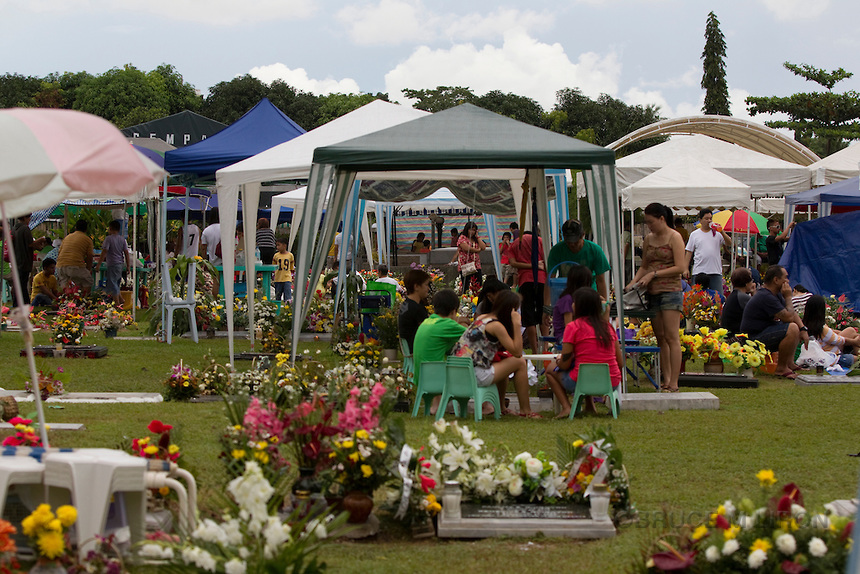
Most Filipinos go to the cemetery to visit the graves of deceased relatives and friends. Some prefer to go on Oct. 31st or Nov. 1st, while some go to the cemetery for three straight days. Others would spend the night at their loved ones mausoleum. Once we arrive, we clean the tombs, light up candles, offer flowers, and say a prayer for the souls of the departed.
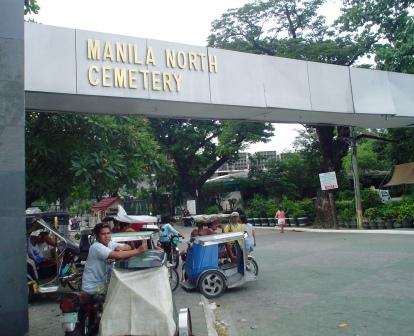
manila north
The largest cemetery in the Philippines is the Manila North Cemetery. This is where some of the country’s past presidents and other politicians are buried. It is also the final resting place of many popular celebrities. (Photo from philippines-travel-guide.com)

During this time, schools are on their semester break so it is also an opportunity for families to spend time together. Children would play with their cousins as the adults would exchange stories and play cards or mahjong (a game that originated in China). Back in the 80s, flying kites and catching dragonflies were favorite activities among the young. Filipinos, known for their love of singing, also bring guitars to serve as a means of entertainment while at the cemetery.

As lunchtime approaches, everyone sets the table for the various dishes cooked for that day. It usually includes the deceased loved one’s favorite dish. We place a plate of food in front of the tomb or grave as offering for the soul of our relatives and friends. Priests would also go around the cemetery to offer prayers and bless graves.
A family gathering around the grave of a loved one is the traditional way of remembrance in this private cmemetery, Saint Park;Cebu City;Philippines
Many people go back to their home provinces for All Souls’ Day. If they can’t, they go to the church to light candles. Special masses are also held in memory of the departed.

Aside from honoring the dead, Filipinos also use this time to unwind. On Oct. 30th or 31st, many establishments and private companies hold a Halloween party. Malls, hotels, and villages also host trick or treat events for the kids. Some Filipinos go to the beach to relax and recharge.
–
Article by Manette Tuvida

Source:https://primer.com.ph/tips-guides/2015/10/31/how-filipinos-celebrate-all-souls-day/ 

Here's an article on superstitions and beliefs of Filipinos on All Saints/All Souls Days

https://www.aswangproject.com/superstitions-and-beliefs-surrounding-all-saints-souls-day-in-the-philippines/ 

Meanwhile Enjoy a Rendition of Bayan Ko from London, UK  

/https://www.facebook.com/Phils.Best/videos/2456168688042554/

Friday, November 1, 2019

Marinduque's Putong or Tubong ( The Crowning )

David III Putong, Chateau Du Mer, Boac, Marinduque, 2002
Putong Ceremony on my 60th Birthday, Colesville, MD, 1994

The tubong or putong, is a ceremony indigenous to the island of Marinduque, Philippines.  Literally, the  word “putong” means to crown, is a song of thanksgiving, hope and prayer for a long, blessed life.  According to beliefs, the patron saint rejoices at this kind of celebrations and intercedes for the honoree in his wish for long life, happiness and safety from accidents and bad luck. Commonly performed to welcome guests and to wish them good life, health and luck.  It is also done during birthdays, anniversaries, graduations or any special events that a person is thankful of and praying for a blessed path in life.

(https://themixedculture.com/2013/10/14/tubong-putong/)

Meanwhile enjoy this video of the modernized version of Putong danced by the youth of Marinduque during a recent MIMAROPA Agricultural Fair for Trade and Tourism in Manila.

https://www.facebook.com/polynuh/videos/2428913563871608/

This version is the Traditional Style:

https://www.facebook.com/freedomecoadventureparkPH/videos/1222848597855357/
We were honored with Putong during our first Medical Mission in Marinduque, 1990 

Thursday, October 31, 2019

Another Week of Productive Blogging


Indiana Jones and Me
This week, I posted  eight articles in seven days.  For some reason, I feel energetic in spite of the very windy, and cool (but sunny) weather here in Northern California. Here's a summary of my blogs in case you missed them.

October 23-Choral Singing Reminds Us of Our Younger Days

https://whyretireinthephilippines.blogspot.com/2019/10/choral-singing-reminds-us-of-our.html

October 25-Carlos Bulosan Center for Filipino Studies at UC Davis

https://marinduqueonmymind.blogspot.com/2019/10/carlos-bulosan-center-for-filipino.html

October 27-List of Diabetes Drugs and Saving on your Prescription

https://lifeinus1960present.blogspot.com/2019/10/list-of-medications-for-diabetes.html

October 28-October is Filipino American History Month

https://theintellectualmigrant.blogspot.com/2019/10/october-is-filipino-american-history.html

October 29-The Jambalos Clan of Northern California Plus One

https://planningtovisitthephilippines.blogspot.com/2019/10/the-jambalos-clan-of-northern.html

October 30- Mirtazapine for Depression and Loss of Appetite

https://marinduquemyislandparadise.blogspot.com/2019/10/mirtazapine-remeron-for-depression-and.html

October 31- Eleven Years of Blogging and Counting and this Article(2)

https://divadbeugatak.blogspot.com/2019/10/eleven-years-of-personal-blogging-and.html

Articles Drafted for the Month of November:

Medications for High blood pressure, for Pain, STD, ED and Herbal remedies for arthritis . Also watch for my articles on my USP Involvement, Reading vs Television Watching,  Cockfighting and Bull Fighting, and Cooking Quotations.   

Articles Drafted for December: 

Turning 85- what Have I done? First Winter Snow Experience, Recipes for tuna sandwiches and sardines, tours to Galapagos Islands, Ecuador, and memorable photos of yesterdays and the DC area. Last but not least is the California 2020 Census.

Do you have any suggestions of topics That may be interesting to my blog readers?   Medications for STD and ED had been suggested by a reader of my blogs.

Meanwhile enjoy this painting of my youngest daughter, Ditas


http://ditas-katague.squarespace.com/#/before-the-fall/

Eleven Years of Personal Blogging and Counting


This year is my 11th year of personal blogging. I can not believe that I have the patience and energy to attain this activity.

According to the article below 95% of bloggers give up between 31 to 33 months. This applies to both Lifestyle Blogging (LB) and Personal Blogging (PB).

For details about Lifestyle and Personal blogging read the following:  

https://www.writelaughdream.com/the-blog/personal-vs-lifestyle

I have been doing Personal Blogging since the summer of 2008. As of today I have written more than 4100 articles on almost all subjects based on my life experiences. Total page views from my 8 blogs is now over 4 million viewers.

I have about 100 viewers daily(total) and more than 600 comments as of today. My most commented blog with over 200 comments is

http://lifeinus1960present.blogspot.com.

In addition to my blogs, I have also a writing account with Hubpages.com ( Owned by Maven). I have written 25 Hubs(long articles) and all are featured as of today.  I will appreciate if you also visit my Hubpages.com account in addition to my blogs.

 https://hubpages.com/feed/

I do not write about politics, religion or sexual topics except on a few cases. These three subjects are controversial and attract more viewers, readers as well as comments. However, since I do not earn my living on my blogs, the number of viewers/readers is not my primary goal. My goal is to receive comments from my blogs. Knowing that readers like my blogs by clicking LIKE or sharing it in their Face Book page makes me happy. This is the primary reason why I am still blogging/writing for over eleven  years as of this month. My four most popular hubs are:

https://letterpile.com/inspirational/my-bucket-list-101-things-to-do-before-i-die  
(Over 9300 page views)

https://hubpages.com/business/caste-system-in-the-philippines ( over 5600 page views )

https://exemplore.com/paranormal/My-Encounters-with-Aswangs-Witches-Goblins-and-Ghosts-in-the-Philippines ( over 3800 page views)

https://hubpages.com/health/How-to-Live-or-Retire-in-the-Philippines-for-Less-than-1-500-a-Month  (over 1500 page views)

For details why 95% of bloggers quit read the following:  

http://feveredmutterings.com/95-percent-bloggers-give-up

or details on how I started blogging read the following:

https://davidbkatague.blogspot.com/2014/01/blogging-has-saved-my-life_4.html

I hope you continue reading my blogs. Have a Great Autumn Season wherever you are in this Planet Earth!
Photo from almanac.com

 Meanwhile, enjoy Frank Sinatra's rendition of Autumn Leaves

https://youtu.be/Q9vZ3hHyJL8

Wednesday, October 30, 2019

Mirtazapine( Remeron) for Depression and Loss of Appetite

Generic for Remeron

I have a closed relative with Parkinson Disease. Besides taking her (Sinemet) Carbo Levodopa(CBL)*, her doctor also prescribed Mirtazapine for her mild depression every now and then and loss of appetite. My closed relative suffers also from constipation, drowsiness, and lack of energy as a side effect of the drug or also with CBL. But her moods are stabilized, her appetite increased and she is gaining weight.   Here's some information on the Internet for Mirtazapine.


Mirtazapine is an antidepressant prescribe to treat depression. It is the generic version of the brand name drug Remeron. Mirtazapine belongs to a group of medicines called tetracyclic antidepressants. These medications help balance the chemical messengers, or neurotransmitters, in the brain that regulate mood.
Common side effects of mirtazapine include:
Less common side effects of mirtazapine include:
*For Side Effects of Carbo Levodopa click on:


Tuesday, October 29, 2019

The Jambalos Clan of Nortern California Plus One


Alex and Yuka with Alexander Bernard, Roseville, CA
Alexander Bernard Chilen ( over 6lbs) greeted the world last Tuesday, October 22.  Dad Alex and Mom Yuka were super excited to have him a week earlier as expected.

Grand Mother Jean Maeda Jambalos was also super excited and very happy, since he is her first grand son.  Jean is Macrine's younger sister, now temporarily residing in Roseville, CA.

Alex Parents from Guayaquil, Equador, South America are also visiting their grandson.  They arrived last week and plan on staying for one month.

Guayaquil (officially Santiago de Guayaquil) is the largest city in Ecuador. It is also the nation's main port. The city is the capital of Guayas Province and the seat of Guayaquil canton. The city is located on the west bank of the Guayas River, which flows into the Pacific Ocean at the Gulf of Guayaquil.

Equador is a country in northwestern South America, bordered by Colombia on the north, Peru on the east and south, and the Pacific Ocean on the west. Ecuador also includes the Galápagos Islands in the Pacific, about 1,000 kilometres (620 mi) west of the mainland. The capital city is Quito.

Baptismal Party will be announced soon. Please joined me in congratulating the Parents and Grand Parents of Alexander Bernard.  Welcome to Planet Earth, Alexander Bernard Maeda Chilen.

Meanwhile here's some members of the Jambalos Clan in Northern California
Photo from Yuka Baby Shower Party Last August, Fair Oaks, Ca
   

Monday, October 28, 2019

October is Filipino American History Month

Fifteen Memorable Facts About Filipino-American History by Kevin Nadal

To celebrate Filipino-American heritage in honor of AAPI Heritage Month, I asked Fil-Ams from all over the country to share what they want the world to know about Filipino-Americans — what makes them memorable rather than forgotten.  This article reminded me of my recent article on Carlos Bulosan.

https://davidbkatague.blogspot.com/2019/10/an-update-have-you-heard-of-carlos.html

I am listing # 15 first, since I could identify with it during my employment with Food and Drug Administration from 1990 to 2002. I also added my own #16 at bottom of page.
  
15. And while May is Asian-American Pacific Islander Heritage Month, October is Filipino-American History Month!
Me pointing at my photo during Asian-American Week Celebration in FDA, 1998


Because of the unique experiences of the Filipino-Americans, Fred and Dorothy Cordova of the Filipino American National Historical Society declared October as Filipino-American History Month in 1988.

In 2009, both the U.S. Senate and Congress declared October as Filipino-American History Month. In 2015, President Obama recognized the month at a celebration at the White House.


1. Filipino-Americans are the second largest Asian-American group in the United States.


Courtesy of Liz Casasola

There are over 3.4 million Filipino-Americans in the country, the 2010 U.S. Census reported. That's about 20% of all Asian-Americans in the country!

2. Filipino-Americans are the largest Asian-American group in 11 out of the 50 states.


Courtesy of Greg Cendana

Filipino-Americans are the second largest Asian American group nationally, but they're the largest Asian-American group in 11 states, including California (which has the largest total population of Asian-Americans).

3. Filipino-Americans are one of the fastest growing immigrant groups in the United States.


Filipino-Americans are one of the largest foreign-born groups in the U.S. — about 5% of all immigrants in the country.

4. Filipinos were the first documented Asian people to arrive in the United States.


The first Filipinos landed in Morro Bay, California, in 1587, three decades before the Pilgrims landed on Plymouth Rock. These Filipino men escaped Spanish galleon ships en route to Spain. Some Filipinos migrated in similar ways and settled in the bayous of Louisiana in 1763, giving Filipinos deep roots in the U.S.

5. The Philippines is the only country in Asia to have been fully colonized by the United States.


After the Philippines gained independence from Spain on June 12, 1898, it was then colonized by the United States. The country did not regain its independence until July 4, 1946. As a result, American English is the second national language of the Philippines, and the U.S. has since maintained a military presence in the country.

6. A quarter of a million Filipino-Americans are veterans of World War II.


More than 250,000 Filipino soldiers fought under the American flag in World War II. They agreed to fight in the U.S. military on the promise that the government would grant these soldiers American citizenship and full veteran benefits. However, these promises were not granted until President Obama took office in 2009, and hundreds of thousands of Filipinos did not receive the benefits they were promised.
Today, activists are working for Filipino-American veterans to be recognized with the Congressional Medal, as they are the only ethnic group who served in World War II yet to receive this honor.

7. Filipino-Americans contributed significantly to the American labor movement, particularly with the United Farm Workers movement in the 1960s.


  • While Cesar Chavez and Mexican farmworkers are often credited with leading the Delano grape strike of 1965, Filipino-American farmworkers were the first to strike. Filipino-American leaders Larry Itliong and Philip Vera Cruz reached out to Cesar Chavez to fortify the union.
While internal power struggles resulted in Filipino-Americans distancing themselves from the United Farm Workers, many historians and activists like Dolores Huerta credit Filipinos with being the first to strike.

8. Filipino-Americans have been a part of many advocacy movements throughout U.S. history.


In the late ’60s, Filipino-Americans were at the forefront of the fight for ethnic studies in San Francisco. In 2015, Filipino-Americans fought for the Alvarado Middle School to be renamed the Itliong-Veracruz Middle School after the Filipino-American labor leaders. The school was the first school in the country to be named after a Filipino-American. In 2016, Filipino-Americans successfully attained historical recognition for the South of Market (SoMa) district of San Francisco to be renamed SoMa Pilipinas.

9. Filipino-Americans have a significant presence in the arts and in hip-hop culture.


Lea Salonga was the first Filipina to win a Tony Award. Filipino-American musicians include Bruno Mars, Vanessa Hudgens, and Apl.de.ap of the Black Eyed Peas. In hip-hop, many Filipino-Americans have excelled as DJs and beatmakers, like DJ Neil Armstrong, DJ Q-Bert, DJ Icy Ice, as well as b-boys and dance crews — including members of groups featured on America’s Best Dance Crew like the Jabbawockeez, Super CR3W, and Quest Crew.

10. Filipino-Americans are more likely than other Asian-American groups to marry outside of their race.


  • Contemporary studies find that racial identity may influence Filipino-Americans who are in interracial and interethnic romantic relationships, in that those who are married to non-Filipino Asian-Americans tend to identify more as Asian-American, whereas those who are married to black Americans or Latinos are more likely to view Filipino-Americans as a distinct ethnic group and feel more connected with black and Latino communities.

11. One-fifth of the Filipino-American population is multiracial.


  • Nearly 22% of Filipino-Americans identify as biracial or multiracial — much higher than the 8% of the entire Asian-American population who are multiracial. This phenomenon, scholars have argued, may be due to shared histories of colonialism, experiences with colorism and racial discrimination shared with black Americans, and shared American values, customs, and language with white Americans.

12. Filipino-Americans identify as members of many different religions.


  • About 90% of people in the Philippines identify as Catholic, thanks to Spanish colonialism. Four to five percent practice another form of Christianity, and another 4–5% percent identify as Muslim.

13. Many Filipino-Americans also choose not to identify as Asian or Asian-American, often due to a history of exclusion.


  • Research supports the idea that many Filipino-Americans do not identify as Asian or Asian-American. Potential reasons for this include having a darker skin color (or identifying as “brown”), having similar experiences with racism, or feeling excluded or marginalized in the larger Asian-American community.
Scholars have described how Filipino-Americans have historically felt marginalized in pan-ethnic Asian-American organizations, particularly given their lack of representation or leadership opportunities in these groups. Other researchers have found that many Filipinos identify more with Latinos than with East Asian-Americans.

14. Filipino-Americans have unique experiences with racism.


  • Studies have revealed that Filipino-Americans experience a range of racial microaggressions, including that they are misperceived to be members of other racial groups like Latino, multiracial, black, or Pacific Islander. Further, many Filipinos report being told that they are not “Asian enough” — by both Asian-Americans and non-Asian people.
Discrimination from other Asian-Americans results in a unique racial and ethnic Filipino identity: Filipino-Americans might reject a pan-ethnic Asian-American identity and develop a strong, ethnocentric, purely Filipino-American identity.

Source:  https://www.buzzfeed.com/kevinnadal/fil-am-history-facts
Meanwhile here's a short video summarizing Filipino-American history for your information:
https://youtu.be/7JlbyP3irNY

Allow me to add my #16:

16. Filipino Americans are involved in Science, Education, Health,Public Service and Politics:  (See my Pinoy Pride List)

https://hubpages.com/business/caste-system-in-the-philippines

Sunday, October 27, 2019

List of Medications for Diabetes


Just recently a close relative was sent to the emergency room, because her sodium level went very low due to a change of her diabetic medications- to a diuretic. Her Na/K level is good now, but this incident reminded me of an article about diabetes and available drugs in the market that I wrote a few years ago.

Today, some of the older drugs are cheap but the new ones are expensive. You need to inquire in how to save on your prescription drugs from your carrier insurance and from the supplier of the drug.

The following article I wrote last August, 2010.  A recent incident however inspired me to re post this. Every year before we leave for the Philippines for our winter sojourn, we request that our physician give us a 90 day supply prescription for all our drugs via a vacation over ride. One drug that I take as a type 2 diabetic is metformin, 1000mg once a day. For my 90 day supply, my co-pay is only $2.00. This drug maintains my sugar level from around 120 to 130 reading. Last week during my pre-snowbirding check up, the doctor suggested I take 1000mg extended release metformin for better control of my blood sugar. I consented to try it.

However, when I ordered this drug, my insurance told me it will cost me $250 dollars for a 90 day supply. I was shocked and I can not believe the difference. I insisted that the pharmacist call my insurance why this extended release formulation is over 100 times more expensive than the basic metformin. I was told this is considered a new drug thus much more expensive than the generic version I am currently taking. I know that new drugs are more expensive than generic drugs, perhaps 5 to 10 times but not over 100 times in this case. Needless to say, I did not buy the extended release metformin formulation. A lesson learned from this experience is to talk to your physician about drug prescription which can saved you money.

Here's a repost of my article about Diabetic drugs published in this site August 22, 2010.

My wife and I are type 2 Diabetic. Having work for new drugs development at FDA for a number of years, my interest in drugs has not diminished even though I have been retired from FDA since 2002. The following article is a reference for new, and old diabetic drugs for Type 2. This is a must read of you are a type 2 diabetic. It was compiled by Debra Manzella, R.N., former About.com Guide and updated May 2, 2010.

"It's been an exciting time for diabetes treatment - in the past year or so, several brand new medications have been approved to treat type 2 diabetes. These are not just new meds, they're completely new categories of drugs. What does that mean? These new medications work in completely different ways than the standard medications.

But does that mean that science is giving up on the old stand-by drugs? No, it doesn't. The oldies-but-goodies still do a good job, and coupled with the new kids on the block, blood glucose levels can stay even closer to normal and tighter control may be easier to maintain.

New Classifications and Medicines

DPP-4 Inhibitors: These drugs block an enzyme (DPP-4) that normally deactivates a protein (GLP-1) that keeps insulin circulating in the blood. Slowing the deactivation process helps reduce sugar production, lowering blood glucose levels.

* Januvia (sitagliptin phosphate): The first of the DPP-4 inhibitors to be approved by the Food and Drug Administration. Januvia is an oral medication which is taken once a day, either alone with diet and exercise, or in combination with other oral diabetes medications.

Incretin Mimetics: These mimic the action of incretin hormones which help the body make more insulin. They also slow the rate of digestion so that glucose enters the blood more slowly. People on incretin mimetics feel full longer, which reduces food intake, which helps some people lose weight while on the medication.

* Byetta (exenatide): Byetta is an injectable medication that is used in combination with other oral diabetes medications. It is not an insulin and it does not take the place of insulin. It is used for type 2 diabetes only and cannot be given with insulin. Byetta comes in a pre-filled injector pen. The dose is 5 mcg. to start, twice a day within 60 minutes prior to your morning and evening meals. Your doctor may increase the dose to 10 mcg. based on your results.

Antihyperglycemic Synthetic Analogs: These are medications that are created as synthetic versions of human substances, in this case a human hormone called amylin, which is used by the pancreas to lower blood glucose levels.

* Symlin (pramlintide acetate): Symlin is an injectable medication which is used with insulin for tighter blood glucose control. Symlin can increase the risk of severe hypoglycemia, therefore patients who are put on Symlin are selected carefully and monitored closely by their healthcare providers.

Older Classifications and Medicines

Sulfonylureas: These medications are the oldest of the oral diabetes drugs, and until 1995 they were the only drugs available for managing type 2 diabetes. Sulfonylureas stimulate the pancreas to release more insulin into the blood stream. Hypoglycemia can be a side effect of these drugs. Sulfonylureas can also sometimes stop working after a few years.

There are several "generations" of this classification of medicines. Second and third generations are more widely prescribed today.

* First generation: Orinase, Tolinase and Diabinese
* Second generation: Glucotrol (glipizide), Glucotrol XL (extended-release glipizide), Micronase or Diabeta (glyburide)
* Third generation: Amaryl (glimepiride)

Biguanides: These lower the production of glucose that is made in the liver. It also makes the body more sensitive to insulin. Cholesterol levels may be lowered as well.

* Glucophage, Glucophage XR (metformin): There is very little risk of hypoglycemia when metformin is used alone. Lactic acidosis can be a rare but serious side effect.

Alpha-Glucosidase Inhibitors: These delay the conversion of carbohydrates into glucose during digestion. This prevents blood glucose levels from peaking too high.

* Precose (acarbose)
* Glyset (miglitol)

Thiazolidinediones: Sensitizes muscle and fat cells to accept insulin more easily.

* Avandia (rosiglitazone)
* Actos (pioglitazone)

As of May 21, 2007, the FDA has issued a safety alert regarding the possibility of heart attacks or other fatal cardiovascular events when taking Avandia. Please call your physician to discuss alternative medications for managing your diabetes.

* Avandia May Cause Risk of Heart Attack and Death
* Avandia Linked to Increased Heart Attacks

Meglitinides: These stimulate insulin production when there is glucose present in the blood. If blood sugar is low, the drug does not work as well.

* Prandin (repaglinide)
* Starlix (nateglitinide)

If you are not a chemist( I am a chemist), the above names of drugs are hard to pronounce and spell, but I hope after reading this article, you did learn a little knowledge how these drugs regulate blood sugar in your body.

Also remember drugs is not everything! Watch out for your diet, exercise a little bit and avoid stress if you want to live longer in spite of your diabetes.

Attached below are new drugs for the treatment of diabetes

https://www.drugs.com/article/new-diabetes-treatments.html

Trulicity-One of the newest  and expensive drug for Diabetes
The cost for Trulicity subcutaneous solution (0.75 mg/0.5 mL) is around $800 for a supply of 2 milliliters, depending on the pharmacy you visit. You need this drug once a week. Prices are for cash paying customers only and are not valid with insurance plans. 
Related Posts Plugin for WordPress, Blogger...

LinkWithin

Related Posts with Thumbnails
Related Posts Plugin for WordPress, Blogger...